Blog ·
How to Choose the Right Landscape Design for Your Home
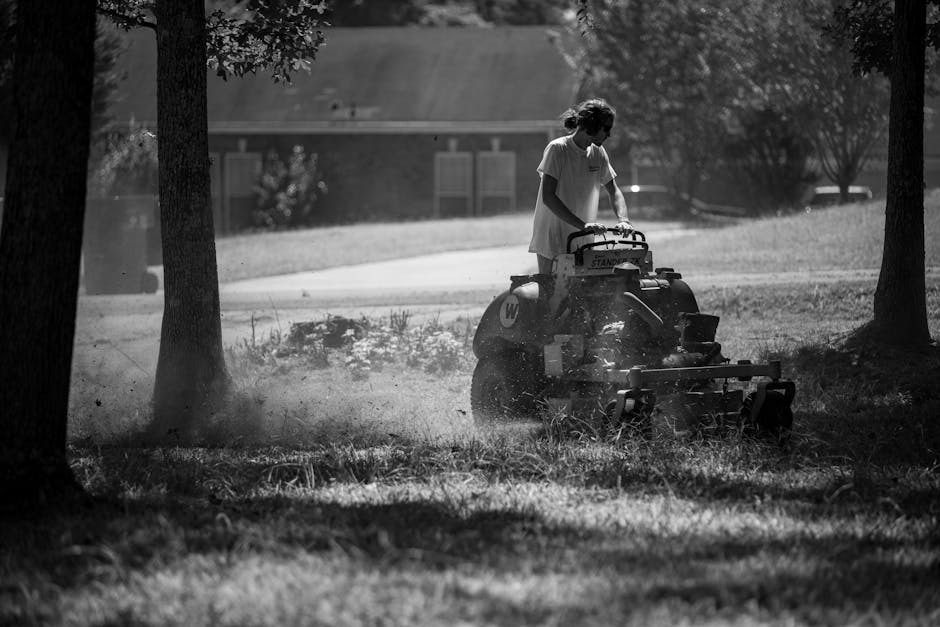
Your outdoor space is an extension of your home, and selecting the right landscape design can dramatically improve your property's curb appeal and functionality. Whether you're starting from scratch or refreshing an existing yard, understanding key design principles will help you make informed decisions that align with your vision and lifestyle.
Assess Your Space and Needs
Before diving into design ideas, spend time evaluating your outdoor area. Consider the size of your yard, the amount of sunlight different sections receive, and the soil type. Think about how you plan to use the space—do you need areas for entertaining, playing, dining, or relaxation? Understanding these practical needs ensures your landscape design serves your family's lifestyle, not just its appearance.
Choose Plants That Thrive Locally
Selecting plants suited to your climate and soil conditions is essential for a sustainable landscape. Native plants typically require less water and maintenance while providing natural beauty and supporting local wildlife. Consider the mature size of trees and shrubs before planting; this prevents crowding and reduces future maintenance needs. Mixing different plant varieties creates visual interest through varying textures, colors, and seasonal changes.
Plan for Maintenance Requirements
Be realistic about the time and effort you can dedicate to maintenance. A low-maintenance design might feature hardscaping elements like stone pathways, raised beds, and mulched areas rather than extensive planting beds. If you prefer colorful beds and intricate designs, plan for regular weeding, pruning, and seasonal updates. Understanding maintenance demands upfront helps prevent disappointment and ensures your landscape remains beautiful year-round.
Incorporate Functional Elements
Beyond aesthetics, consider practical features that enhance functionality and enjoyment. Proper drainage protects your home's foundation and prevents waterlogging. Well-placed pathways create natural traffic flow through your yard. Trees positioned strategically offer shade during hot months and can reduce energy costs. Outdoor lighting improves safety while extending your outdoor living hours into the evening.
Think About Budget and Phases
Landscape design doesn't need to happen all at once. Phasing your project over time makes it financially manageable and allows you to adjust plans based on how you use your space. Start with foundational elements like hardscaping and mature plantings, then add details gradually. This approach also gives newly planted areas time to establish before the next phase begins.
Seek Professional Guidance
Working with experienced landscape professionals helps ensure your design vision becomes reality. They bring expertise in plant selection, drainage solutions, and creative problem-solving. Their knowledge of local growing conditions and design trends can help you avoid costly mistakes and create a landscape that truly transforms your outdoor space.